

 Aimen Riaz
 How Many Cat Breeds Are There? A Complete and Detailed Guide
If you’re a cat lover, pet owner, or someone planning to adopt a feline companion, one of the most common questions you might have is: how many cat breeds are there? While this may seem like a simple question, the answer is actually more complex than it appears.
There is no single, universal number of cat breeds, as different feline organizations recognize different breeds. However, most experts agree that there are between 70 and 100 recognized cat breeds worldwide. This number continues to evolve as new breeds are developed and accepted by major registries.
Understanding how cat breeds are classified, recognized, and developed can deepen your appreciation for the incredible diversity within the feline world.

How Many Cat Breeds Are Recognized by Major Organizations Worldwide?
The number of recognized cat breeds varies depending on which cat registry you refer to. Each organization has its own standards, breeding requirements, and recognition processes.
For instance, the International Cat Association (TICA) recognizes over 70 cat breeds, making it one of the most inclusive cat registries worldwide. In comparison, the Cat Fanciers’ Association (CFA) recognizes around 45 breeds and follows stricter guidelines for breed acceptance.
Similarly, the Fédération Internationale Féline (FIFe) and the Governing Council of the Cat Fancy (GCCF) recognize approximately 40 to 50 breeds each.
These differences explain why the total number of cat breeds is not fixed. Some breeds may be recognized by one organization but still under evaluation by another. As a result, the commonly accepted estimate remains between 70 and 100 breeds worldwide.
What Defines a Cat Breed and How Are Cats Officially Classified?
A cat breed is not simply about how a cat looks. It is defined through a combination of physical traits, behavioral characteristics, and genetic consistency. For a breed to be officially recognized, it must meet strict criteria established by cat registries.
These criteria typically include:
- Consistent physical features such as coat type, body structure, and eye color
- Predictable temperament and personality traits
- Documented lineage across multiple generations
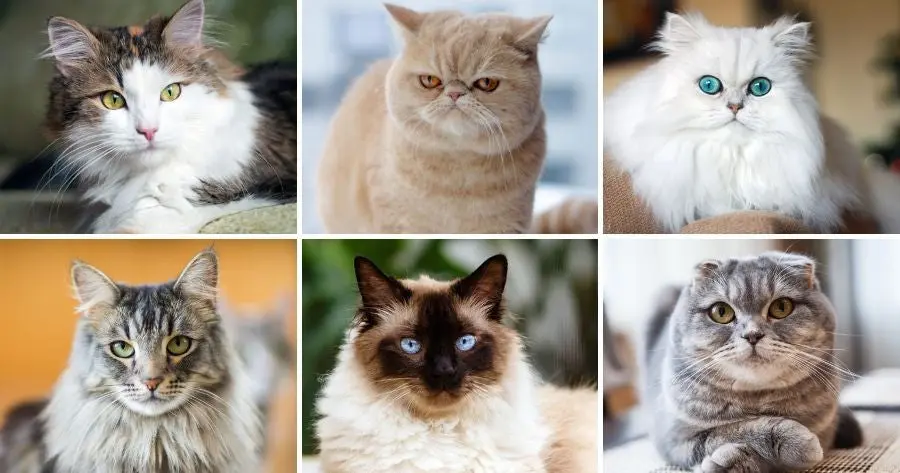
For example, the Siamese cat is known for its slender body, pointed coat pattern, and highly vocal personality. The Persian cat is admired for its long, luxurious coat and calm, affectionate nature. Meanwhile, the Maine Coon is one of the largest domestic breeds and is loved for its friendly, social nature.
These distinguishing features are what separate one breed from another and make each breed unique.
How Many Types of Cat Breeds Are There and How Are They Classified?
Cat breeds can be grouped into several categories based on their coat type, physical features, and origin. Understanding these categories helps in better understanding the diversity among cats.
Long-Haired Cat Breeds and Their Characteristics
Long-haired cat breeds are known for their beautiful, flowing coats and elegant appearance. These cats often require regular grooming to maintain their fur and prevent tangles.
Popular long-haired breeds include the Persian cat and the Ragdoll. These cats are typically calm, affectionate, and well-suited to indoor living.
Short-Haired Cat Breeds and Why They Are Popular
Short-haired cats are among the most popular pets worldwide due to their low-maintenance grooming needs. They shed less and are generally easier to care for compared to long-haired breeds.
Examples include the British Shorthair and the American Shorthair. These breeds are known for their adaptability, calm temperament, and strong health.
Exotic, Hairless, and Unique Cat Breeds
Some cat breeds stand out because of their unusual physical traits. The Sphynx cat, for instance, is famous for its lack of fur and warm, suede-like skin. The Scottish Fold is easily recognized by its folded ears, which give it an owl-like appearance.
Another fascinating breed is the Savannah cat, which has a wild look due to its ancestry but can be kept as a domestic pet.
Hybrid Cat Breeds and Their Wild Origins
Hybrid cat breeds are created by crossing domestic cats with wild species. These breeds often combine the exotic appearance of wild cats with the temperament of domestic cats.
The Bengal cat and Savannah cat are prime examples. They are highly active and intelligent, and require more engagement than typical domestic cats.
Are New Cat Breeds Still Being Developed and Recognized?
Yes, new cat breeds are continuously being developed through selective breeding and genetic research. However, the process of officially recognizing a new breed is long and challenging.
Breeders must demonstrate that the new breed:
- Maintains consistent traits over multiple generations
- Is free from harmful genetic issues
- Meets the standards set by major cat associations
It can take many years for a breed to be fully recognized. Some breeds remain in experimental or provisional stages for a long time.
What Is the Difference Between Purebred Cats and Domestic Cats?
While recognized cat breeds get most of the attention, the majority of cats worldwide are not purebred. These cats are categorized as Domestic Short Hair (DSH) or Domestic Long Hair (DLH).
Unlike purebred cats, domestic cats do not have documented pedigrees. However, they are just as loving, intelligent, and capable of forming strong bonds with humans.
In fact, many pet owners prefer domestic cats because they are often more resilient and have fewer genetic health issues.
Why Understanding Cat Breeds Is Important for Pet Owners
Knowing about different cat breeds can help you make better decisions when choosing a pet. Each breed has its own personality, grooming needs, and activity level.
For example:
- The Persian cat requires regular grooming.
- The Bengal cat needs high activity and stimulation.
- The Maine Coon is social and family-friendly.
Understanding these differences ensures that you choose a cat that fits your lifestyle and environment.
Frequently Asked Questions About Cat Breeds
How many cat breeds are officially recognized worldwide?
The number of officially recognized cat breeds varies by organization, but most experts agree there are between 70 and 100 worldwide. For example, the International Cat Association recognizes over 70 breeds, while the Cat Fanciers’ Association recognizes around 45. These differences occur because each organization has its own standards and criteria for breed recognition, including genetic stability, physical traits, and breeding history.
Why do different organizations recognize different numbers of cat breeds?
Different cat registries follow different guidelines for recognizing breeds. Some organizations are stricter and only accept breeds that meet long-established standards, while others are more open to new or experimental breeds. For instance, a breed may be fully recognized by the International Cat Association but still under evaluation by the Cat Fanciers’ Association. This is why there is no single universal list of cat breeds, and the number continues to change over time.
What is the difference between purebred cats and domestic cats?
Purebred cats belong to a specific, officially recognized breed and have a documented pedigree that traces their lineage over multiple generations. Examples include the Persian cat and the Maine Coon. On the other hand, domestic cats (often called Domestic Short Hair or Domestic Long Hair) do not belong to a specific breed and do not have recorded ancestry. Despite this, domestic cats are just as affectionate and often healthier due to greater genetic diversity.
Are new cat breeds still being created and recognized today?
Yes, new cat breeds are still being developed through selective breeding and genetic research. Breeders aim to create cats with unique physical traits, such as coat patterns or body structure, while maintaining good health and temperament. However, gaining official recognition from organizations like the International Cat Association can take many years. A breed must show consistent characteristics across generations and meet strict health and breeding standards before it is fully accepted.
Conclusion: How Many Cat Breeds Are There?
In conclusion, the question “how many cat breeds are there?” does not have a single fixed answer, but the most accurate and widely accepted estimate is that there are between 70 and 100 recognized cat breeds worldwide. This variation exists because different feline organizations—such as the International Cat Association and the Cat Fanciers’ Association—follow their own standards for breed recognition, classification, and acceptance.
Beyond just numbers, what truly makes the world of cats fascinating is the incredible diversity among breeds. From the elegant, long-haired Persian cat to the large, friendly Maine Coon, and even the unique, hairless Sphynx cat, each breed brings its own personality, appearance, and care requirements. This diversity allows potential pet owners to choose a cat that perfectly matches their lifestyle, whether they prefer a calm indoor companion or an active, playful pet.
0 Comment